
 EN
EN
Understanding Your Puppy's Needs and Routine
Welcoming a new puppy into your home is an incredibly exciting, joyful, and heartwarming milestone, though navigating the early stages of house training often proves to be one of the very first major hurdles for any new pet parent. Before rushing to grab any standard pet pad off the retail store shelf, taking a close and careful look at your puppy’s specific breed traits, daily activity habits, metabolism, and physical bladder capacity makes all the difference in establishing a smooth, successful daily routine. Little puppies have remarkably tiny bladders and naturally need relief frequently throughout both day and night, meaning accidents can happen easily without proper preparation and the right indoor tools. Figuring out exactly how often your little furry companion will utilize the designated area helps determine whether high-capacity disposable options or heavy-duty reusable fabric alternatives fit best into your daily lifestyle and frequent training sessions. Furthermore, understanding behavioral cues allows you to anticipate when your puppy needs to go, drastically reducing indoor accidents and creating a harmonious living environment from day one of your training journey.
Prioritizing Superior Absorbency and Leak-Proof Protection
The ultimate job and core function of a high-quality pet pad is locking away moisture completely while keeping your indoor floors spotless, hygienic, and completely bone dry. When hunting for reliable puppy pads on the market, looking closely at advanced multi-layer construction builds featuring quick-drying top layers, super-absorbent polymer cores, and heavy-duty leak-proof plastic backings is absolutely essential for long-term domestic cleanliness. Subpar or cheap alternative pads often let liquids pool dangerously on the surface or seep right through to underlying hardwood surfaces and expensive carpets, creating stubborn lingering smells and permanently ruined flooring. Investing in reliable, high-absorption pet pads ensures pet messes get trapped instantly upon contact, giving dedicated pet parents complete peace of mind during those sometimes stressful housebreaking months. High-performance materials also prevent tracking, ensuring your puppy's paws stay clean after every use and minimizing cleanup efforts.
Selecting the Right Size and Placement Strategy
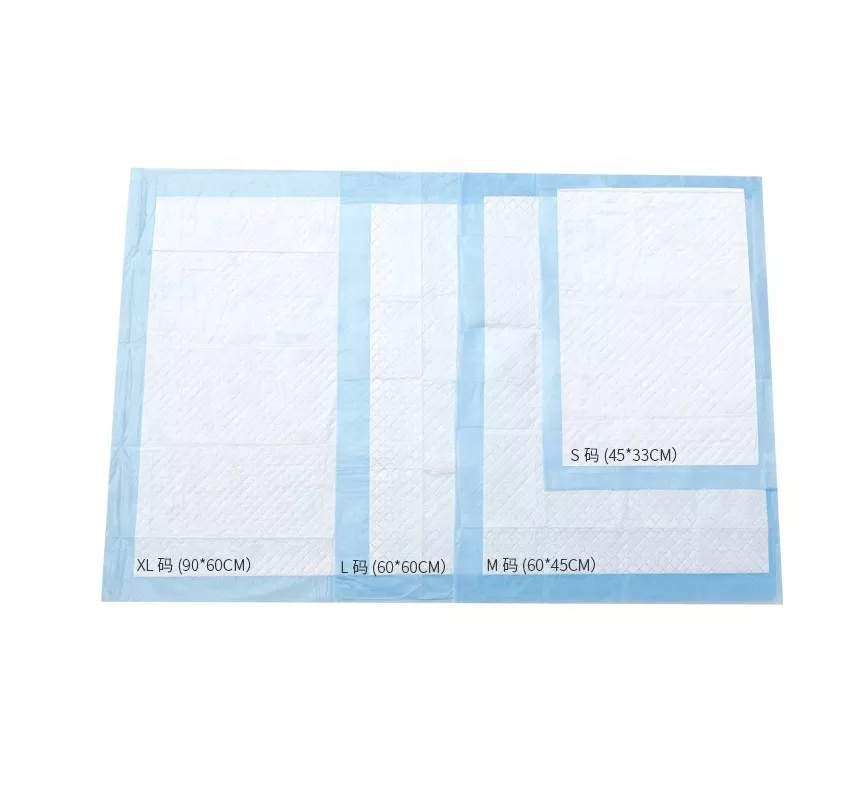
Size counts for a great deal when picking out a proper pet pad for growing puppies because going with something too small inevitably leads to endless missed targets and frustrating daily cleanups around the house. Puppies love to circle around, sniff thoroughly, explore, and adjust their footing multiple times before finally doing their business, meaning they require plenty of comfortable landing room to move around freely. Picking a generous size matched properly to the dog's expected adult frame prevents messy accidents outside the designated zone. Beyond choosing the correct physical size, clever placement drives overall success; tucking the pet pad securely into a quiet, easily reachable corner far away from food bowls and sleeping crates works absolute wonders. Keeping the spot consistent helps puppies catch on much faster to where they belong, establishing a reliable habit that lasts throughout their development.
Evaluating Odor Control and Freshness Features
Indoor puppy training inevitably invites unpleasant, pungent smells if training pads completely skip modern odor-neutralizing technology or rely entirely on cheap masking agents. Top-tier pet pads often weave in activated carbon, baking soda, or fresh-scent microcapsules designed specifically to capture and neutralize harsh ammonia smells right on direct contact. When selecting pet pads for your household, prioritizing active odor control keeps living areas smelling wonderfully fresh and clean even between regular pad swaps. This fantastic benefit shines especially bright for apartment dwellers, urban condo owners, or busy professionals working long hours outside the home who require a sanitary setup that maintains indoor air quality effortlessly without constant scrubbing or harsh chemical air fresheners.
Balancing Cost, Durability, and Environmental Impact
Smart pet parents always carefully weigh the long-term household budget and environmental footprint tied to their everyday purchasing choices in the pet care market. While disposable pet pads deliver ultimate convenience for quick, hassle-free cleanups, washable fabric alternatives provide a sustainable, highly cost-effective route for extended training timelines and eco-conscious families. Weighing personal daily lifestyle, household budget constraints, and green values helps guide the ultimate product pick. Choosing durable, premium pet pads crafted by industry experts like Micker ensures top-tier manufacturing excellence and dependable global supply chain backing, supporting families seamlessly through every vital phase of pet development and home hygiene maintenance.
Fostering Success Through Routine and Positive Reinforcement
Establishing a consistent daily routine combined with warm positive reinforcement creates an unstoppable formula for successful house training alongside your chosen pet pads. Praising and rewarding your puppy immediately after they successfully use the pad reinforces the desired behavior positively and effectively, turning a complex lesson into a fun game. Consistency, patience, and high-performance supplies transform a daunting task into a rewarding bonding experience for both you and your growing canine companion. By selecting superior products designed with both animal comfort and human convenience in mind, you lay a solid foundation for a clean, happy, and stress-free household environment for many years to come. Ultimately, investing in professional-grade pet care supplies elevates your everyday life, ensuring that your living spaces stay fresh, hygienic, and welcoming as your puppy grows into a well-mannered adult dog.
Table of Contents
- Understanding Your Puppy's Needs and Routine
- Prioritizing Superior Absorbency and Leak-Proof Protection
- Selecting the Right Size and Placement Strategy
- Evaluating Odor Control and Freshness Features
- Balancing Cost, Durability, and Environmental Impact
- Fostering Success Through Routine and Positive Reinforcement