
 EN
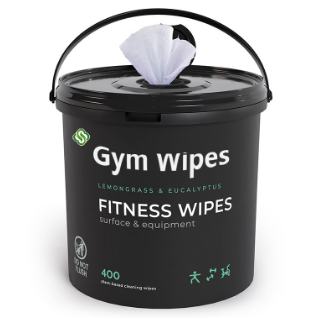
Why Wet Wipes Fill a Critical Gap in Modern Hand Hygiene
Access to soap and running water is not always possible—yet hand hygiene remains essential throughout the day. Wet wipes bridge this gap with a portable, pre-moistened, single-use solution that works almost anywhere. Unlike alcohol-based hand sanitizer, which primarily kills germs without removing visible soil, wet wipes combine physical friction with a cleansing liquid formula to lift and trap oil, grease, sweat, and light debris from the skin—rather than spreading it. This mechanical removal is especially valuable during commutes, outdoor work, caregiving, air travel, or after exercise when sinks are out of reach. For people with limited mobility, wipes support independent hand care without requiring access to a basin.
Public health guidance—including the CDC and WHO—continues to position soap and water as the gold standard for hand hygiene. At the same time, it recognizes that alternative products like wet wipes can meaningfully reduce contamination when handwashing isn’t feasible. They are not a replacement for thorough washing, but rather a practical bridge that maintains baseline cleanliness between proper handwashes. Their compact, resealable packaging fits easily in pockets, bags, or vehicles—and many formulations include skin-conditioning ingredients to help prevent dryness with repeated use. That blend of convenience, mechanical action, and skin-friendly design explains why they’ve become a staple in modern hygiene routines.
Top 3 Real-World Scenarios Where Wet Wipes Excel for Hand Cleanup
Public health guidance ranks soap and water first, with alcohol-based hand sanitizer as the next option (CDC, 2023). Wet wipes fill a distinct niche: they remove visible dirt, sweat, and sticky residues when no sink is available. Three scenarios—post-exercise cleanup, on-the-go commuting, and long travel stretches—show why wipes earn space in gym bags, backpacks, and glove compartments. They clean soil and freshen hands quickly—but they are not a full substitute for handwashing.
Post-Exercise: Removing Sweat, Bacteria, and Odor Without Water
After a workout, hands and forearms collect sweat, salt, gym equipment residue, and odor-causing bacteria. A sink may be crowded or far away. Wet wipes let you wipe palms, between fingers, and under nails before leaving the gym or car. The mechanical action lifts visible soil, while gentle surfactants help dissolve oily sweat. Some formulas include skin-safe emollients to reduce dryness with repeated use—a key consideration, since damp skin can trap bacteria. Removing moisture and residue lowers odor and reduces the chance of transferring germs to your face, phone, or water bottle. Choose a soft, durable wipe and avoid harsh alcohol unless hands are heavily soiled.
On-the-Go & Commuting: Instant Freshening When Sink Access Is Unavailable
Buses, trains, fuel pumps, and shared workspaces expose hands to high-touch surfaces. Commuters rarely have sink access between stops. Wet wipes provide immediate cleanup after handling cash, transit poles, or food wrappers—removing visible dirt and stickiness while helping hands feel fresher before eating or touching a screen. Because packs are small, resealable, or individually sealed, they fit effortlessly in a pocket, backpack, or glove compartment. For best results, wipe all hand surfaces for 15–20 seconds and let hands air dry. This practice does not replace handwashing after restroom use or before food preparation—but it is a practical, evidence-supported bridge when clean water and soap are unavailable.
How Wet Wipes Work: Dual-Action Cleaning Powered by Surfactants and Antimicrobials
Wet wipes combine mechanical friction with a chemically balanced solution to lift soil and reduce microbes in one step.
Oil and Grease Removal: The Role of Gentle Surfactants and Skin-Safe Emollients
Grease and oil bind tightly to skin, but water alone cannot dissolve them. Wet wipes rely on gentle surfactants—compounds that lower surface tension—to allow the cleaning solution to penetrate grime and emulsify oily residue. The physical act of wiping then traps and lifts the loosened debris into the nonwoven fabric. Skin-safe emollients are added to offset detergent effects, helping preserve the skin barrier during repeated use. Unlike plain paper towels, wet wipes deliver a controlled dose of solution that dissolves stubborn films without requiring rinsing. A 2019 review in Antimicrobial Resistance & Infection Control notes that cleaning performance depends on the interplay among wipe material, surfactant formulation, and application method—making stable formulation and proper wiping technique essential for consistent oil removal.
Germ Reduction: EPA-Registered Actives vs. Unverified 'Sanitizing' Claims
Not all wet wipes kill germs. A product labeled as a hand sanitizing wipe must contain EPA-registered active ingredients and meet standardized efficacy tests. In the U.S., EPA registration means the formula has demonstrated measurable reduction in specified bacteria when used according to label directions. By contrast, cosmetic or general-purpose wet wipes may clean visibly but make no validated antimicrobial claim. Products claiming “sanitizing” benefits without registration often lack sufficient contact time, active concentration, or independent verification. For hand hygiene—especially in food handling, childcare, or healthcare settings—choose only wipes whose labels state “EPA-registered” and follow the recommended wet contact time. Otherwise, treat them as cleansing aids—not sanitizers.
Using Wet Wipes Effectively and Safely: Best Practices for Hands
Wet wipes can simplify hand cleanup, but proper technique determines both safety and effectiveness. Before use, read the label to confirm the product is intended for hands—and note whether it makes sanitizing claims. If the wipe carries an EPA-registered sanitizing claim, follow the listed contact time—often 30 to 60 seconds—before touching food or your face. When soap and water are unavailable, hand wipes with at least 60% alcohol are a more reliable choice for germ reduction (CDC, 2023). Skipping this step often separates true germ reduction from a quick surface wipe.
Apply gentle, even pressure and clean all hand surfaces—including palms, backs, between fingers, and under nails. Avoid aggressive scrubbing; repeated friction can strip the skin barrier and worsen irritation, especially for people with sensitive skin.
Use one wipe per cleaning task. Reusing a single wipe across multiple hands or surfaces risks spreading soil and microbes rather than removing them. After use, dispose of the wipe in the trash. Never flush wet wipes unless the packaging explicitly states the product is flushable and your local sewer system accepts it—most hand wipes are not designed to break down in pipes.
Close the package immediately after removing a wipe. Resealable lids and adhesive closures help prevent moisture loss, which preserves cleaning power and avoids dry, ineffective wipes. Store packs away from direct heat and sunlight.
If burning, redness, or dryness appears after use, stop using the product and switch to a fragrance-free or alcohol-free option. Wet wipes are a useful backup—but they do not replace soap and water when hands are visibly dirty.
FAQ
Can wet wipes be used to kill germs effectively?
Wet wipes labeled as “hand sanitizing wipes” with EPA registration are designed to kill germs effectively. These wipes meet standardized efficacy tests, reducing specific bacteria when used properly.
Are wet wipes a substitute for handwashing?
No, wet wipes are not a full substitute for handwashing. They serve as a practical bridge when soap and water are unavailable but are best paired with handwashing whenever possible.
Can I flush wet wipes?
Most wet wipes should not be flushed unless the packaging explicitly states they are flushable. Improper disposal may cause plumbing and environmental issues.
How should wet wipes be stored?
Wet wipes should be stored away from direct heat and sunlight, and the package should be resealed immediately after removing a wipe to prevent moisture loss.
Are all wet wipes safe for sensitive skin?
Not all wet wipes are suitable for sensitive skin. If irritation arises, switch to fragrance-free or alcohol-free options.